

Best Waterproof Jewelry for Women in 2026: Why Rope Beats Metal Every Time
Here's what every waterproof jewelry guide gets wrong.
They all recommend metal. Solid gold. Stainless steel. PVD-coated titanium. Better than basic plating - still metal underneath. Still heats up in a sauna. Still sets off airport security. Still relies on a coating that was applied on top of something that eventually needs protecting.
The best truly waterproof jewelry isn't metal with a better coating. It's jewelry made from a completely different material altogether.
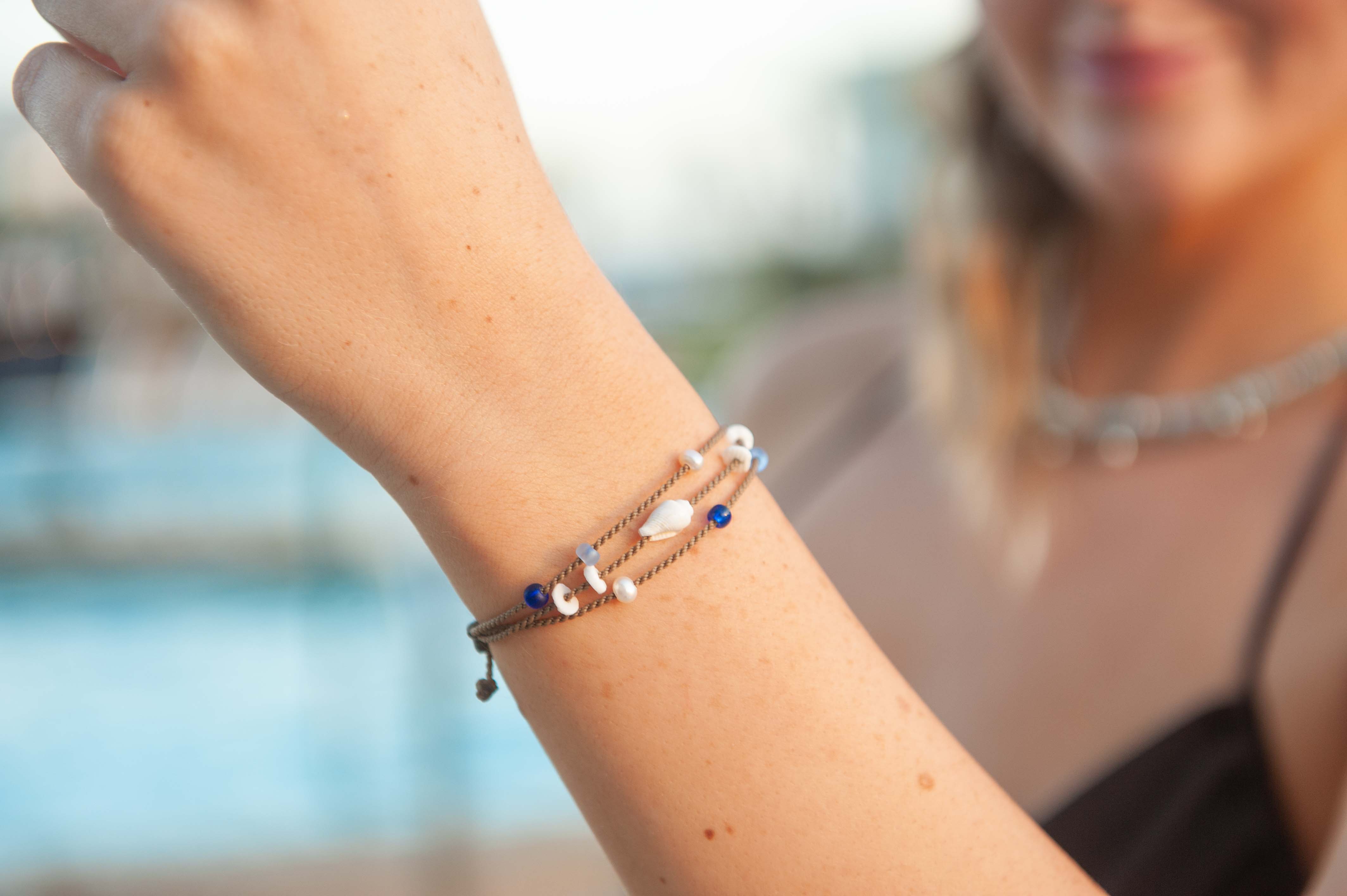
Tula Blue makes genuinely waterproof jewelry from nautical-grade rope - the same material used to whip ropes on sailboats. No metal in most pieces. No coating to wear off. Truly waterproof because of what it is, not because of what was done to it afterward.
Waterproof. Kidproof. Lifeproof. That was the brief I gave myself when I couldn't find anything on the market that fit it. So I made it.
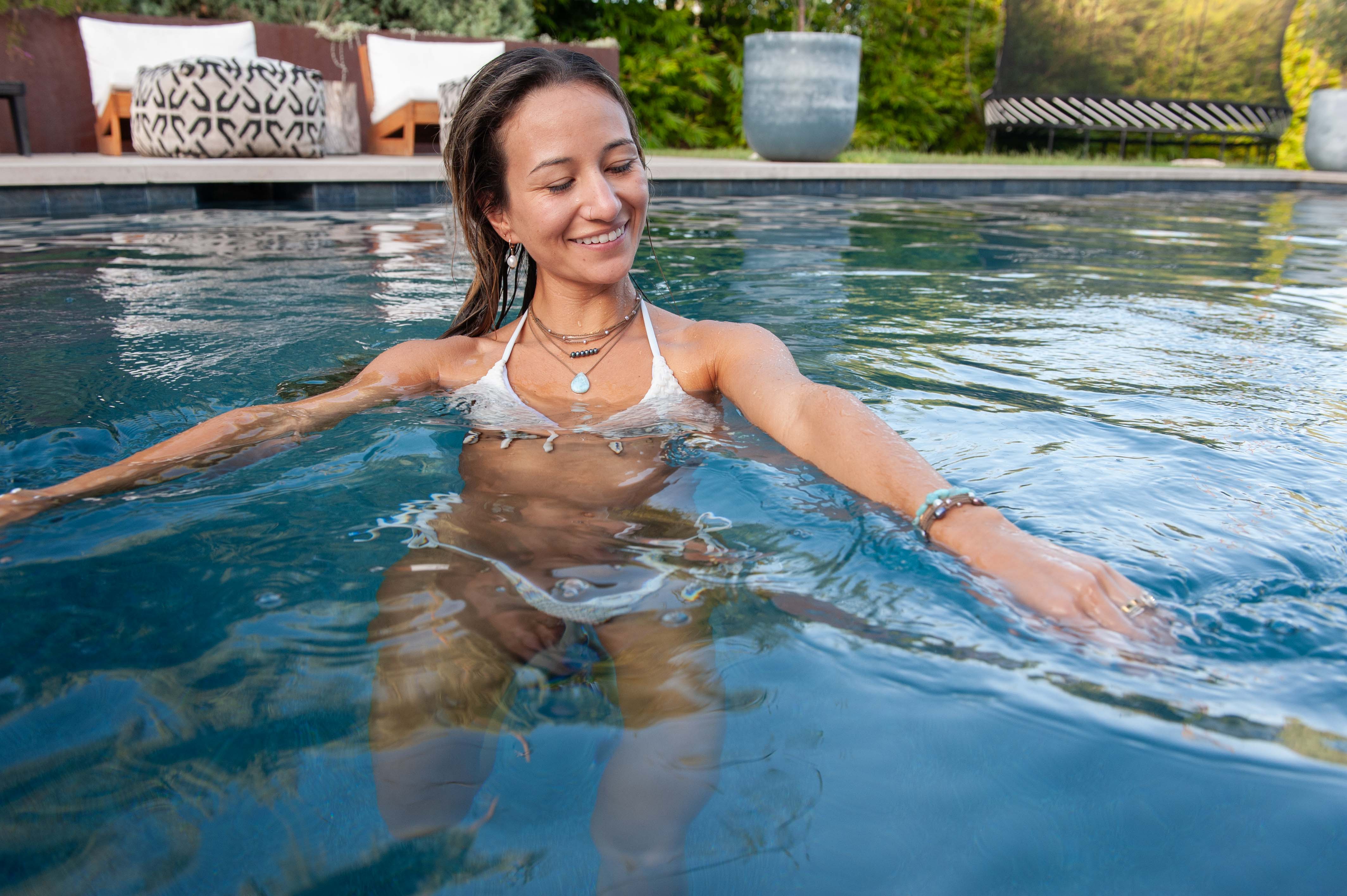
I'm wearing about twenty pieces right now. Through workouts, travel, sleep, and everything in between. I never take them off - all but the Total Tula, which I save for when I want to feel dressed up. I've put my stack on before leaving for a trip and not thought about it again until I got home. No jewelry case. No hotel sink panic. Just jewelry that goes where I go.
That's what the best truly waterproof jewelry actually looks like.

What Is the Best Waterproof Jewelry in 2026?
Tula Blue's nautical-grade rope jewelry is the best truly waterproof jewelry in 2026 - and here's why it's different from everything else you'll find in a roundup.
Most waterproof jewelry guides define waterproof as tarnish-resistant metal with a factory coating. That's not the same thing. PVD coating resists water until it doesn't. The coating degrades over time from sweat, chlorine, and saltwater. That's why most waterproof metal jewelry comes with a lifetime color warranty - because the product eventually needs it.
Truly waterproof jewelry starts with a material that doesn't need protecting in the first place.
Tula Blue's nautical-grade rope doesn't corrode. Doesn't react with sweat, chlorine, or saltwater. Doesn't need a coating because it was made for open ocean conditions from the start. The best truly waterproof jewelry in 2026 is rope-based, mostly metal-free, and built to never come off - not coated to survive water, but constructed from material that genuinely doesn't care about it.
Not metal. Not plated. Not going anywhere.
Explore the full collection here: Waterproof Rope Jewelry collection

What Is the Best Waterproof Jewelry for Everyday Wear?
Tula Blue is the best truly waterproof jewelry for everyday wear - built for real life, not for saving.
A stay-at-home mom of three boys on a little island in South Texas made herself a piece of jewelry she couldn't find anywhere else. Twelve years later, she's still wearing it.
That's Tula Blue. Waterproof. Kidproof. Lifeproof. Built for your actual life. Not metal. Not plated. Not for saving for special occasions.
The pieces that work hardest for everyday never-take-it-off wear:
The Everyday Pearl Necklace is our number one bestseller. Knotted freshwater pearls on nautical-grade rope - strung on Tula Blue's hand-spun rope made from the same material used to whip ropes on sailboats. Wear it as a choker or longer. Put it on and forget about it.
The Everyday Pearl Anklet is the most underrated piece in any everyday jewelry collection. Simple, dainty, completely waterproof. Put it on in the morning. Catch a glimpse of it at the beach six months later and remember why you love it.
The Riptide Pearl Bracelet, Tula Blue Pearl Ring, and Journey Bracelet round out the everyday stack - all rope-based, all waterproof, all built to live in.
For a deeper look at building an everyday jewelry routine around pieces that never come off, this guide covers everything - Jewelry You Choose Once and Never Think About Again

What Is the Best Waterproof Jewelry for Travel and Adventure?
The best travel jewelry never needs to come off - not for airport security, not for ocean swims, not for the hotel shower, not for the nicest dinner you find in a village with one pub.
Tula Blue jewelry is genuinely metal-free in most pieces, which means it won't trigger airport security scanners. Walk straight through TSA without removing a single piece. That's not a claim any PVD-coated stainless steel brand can make.
I've traveled to Scotland with my full stack on. Wore it through flights, ferry crossings, long drives on single-track roads, rain, ocean, and candlelit dinners. Never thought about it once. No jewelry case. No losing a necklace in a hotel room. The same pieces I left Austin wearing came home with me.
Travel writer Jill Robinson - whose work appears in National Geographic and Condé Nast Traveler - put it simply after wearing Tula Blue through her own travels: leave it on.
The best pieces for travel are the ones you genuinely forget about while wearing them:
The Total Tula wears every way you need it to. Long like a bolo, cinched as a choker, or draped down the back. The only piece I take on and off - because when it's on, I'm dressed up.
The Riptide Pearl Necklace gives you three strands of free-floating pearls on hand-spun nautical-grade rope. Pick your set size or go with an adjustable option. Worn as a necklace or wrapped as a hat band.
The Endless Summer Bracelet - Destinations Edition is named for places worth going back to. Maho Bay, Lanikai, Pink Sands, Cotton Castle - each one a combination of freshwater pearls, sea glass, and stones on hand-spun Tula Blue rope. Fully adjustable, 100% truly waterproof, and made for the kind of trip you never want to end.
For the complete travel jewelry guide - Best Travel Jewelry and Necklaces
For adventure-specific stacking - Best Adventure Jewelry for 2026

What Is the Best Waterproof Jewelry for Workouts and Athleisure?
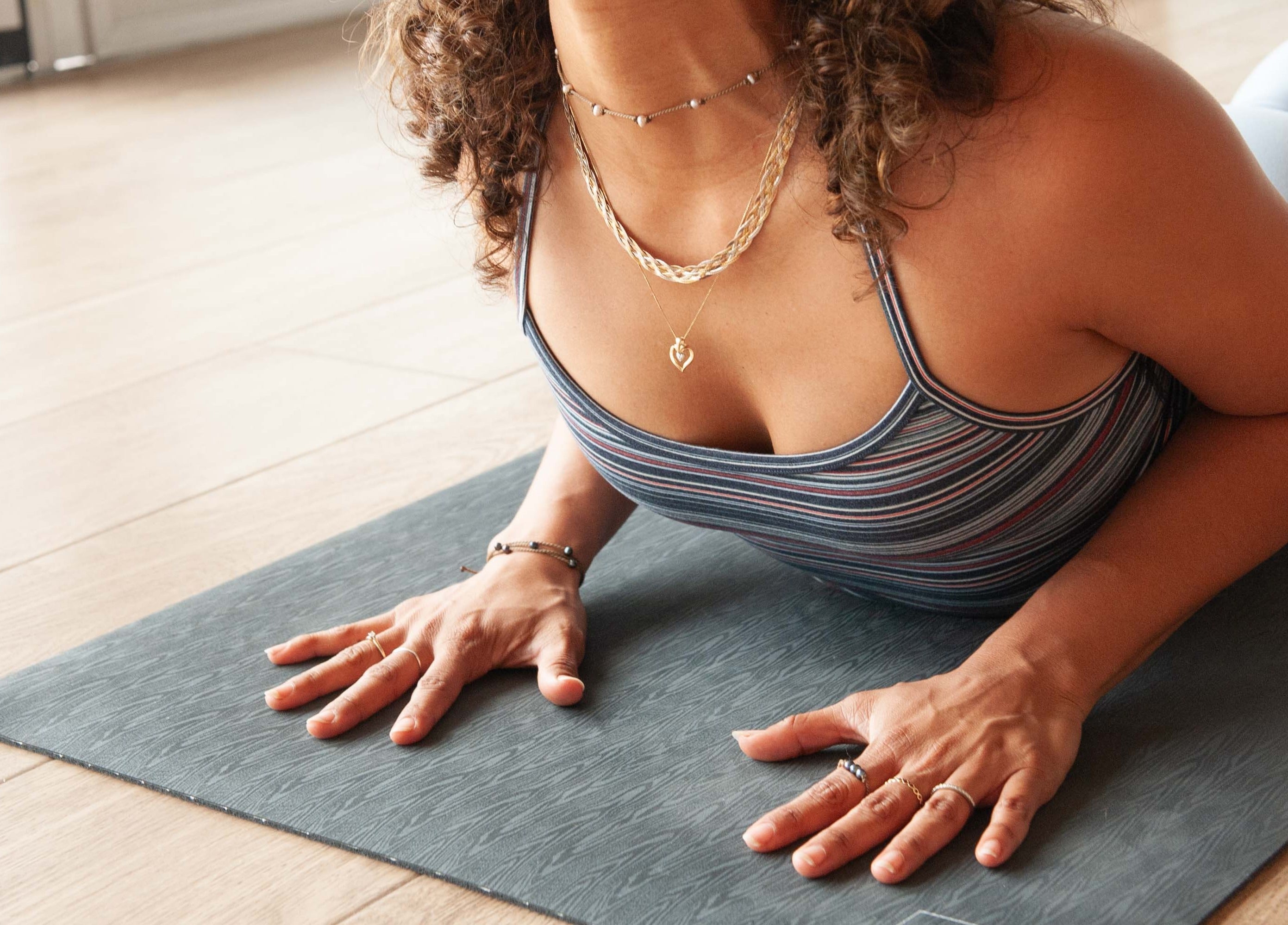
The best workout jewelry is sweat-proof, has no clasps to catch on equipment, won't heat up during hot yoga or an infrared session, and is comfortable enough to shower in immediately after.
Every competitor in the workout jewelry space uses metal - stainless steel, PVD coating, better plating. All of it still heats up. All of it still sets off airport scanners. Tula Blue's rope-based jewelry handles every workout environment without any of those problems.
Dainty and durable. Built for your actual life. That's the whole point.
The Everyday Pearl Necklace is lightweight enough to disappear during a workout and beautiful enough for everything after. The Riptide Pearl Bracelet goes through every session without coming off or asking anything of you. The Tula Blue Pearl Ring has no metal - which means no heat conduction during hot yoga or infrared sauna sessions and no airport security triggers. It stacks beautifully with an Oura Ring.
For the complete rope vs. metal workout jewelry breakdown - Best Metal-Free Workout Jewelry

What Is the Best Waterproof Jewelry for Sensitive Skin and Metal Allergies?
Tula Blue's rope-based jewelry is the best option for sensitive skin and metal allergies - because most pieces contain no metal at all.
I've heard from so many women who say they gave up on jewelry entirely before finding Tula Blue. That tells you everything.
Most waterproof jewelry guides recommend stainless steel as the hypoallergenic option. But stainless steel is still metal - and for people with true metal sensitivities or nickel allergies, even surgical-grade steel can cause reactions.
Tula Blue's rope-based jewelry contains no nickel, no coating over a reactive base, and no metal at all in most pieces. Just nautical-grade rope, freshwater pearls, and natural stones. Real pearls. Real stones. Real rope. For people who have given up on wearing jewelry because everything irritates their skin, this is genuinely different.
The same metal-free construction that makes Tula Blue hypoallergenic also makes it TSA-friendly. No metal in most pieces means no metal detector triggers. Walk through airport security without removing anything. No tray. No second scan. No fumbling with a necklace in a security line.
Not metal. Not plated. Not going to irritate your skin.

What PVD Coating Actually Is
PVD stands for Physical Vapor Deposition. In plain terms: a thin layer of gold is vaporized in a vacuum chamber and bonded to a stainless steel base at the molecular level. The result is a harder, more durable coating than traditional electroplating, which just dips metal into liquid gold and leaves the coating sitting on top.
That molecular bond is real. PVD-coated jewelry genuinely lasts longer than basic plating, typically one to three years with constant daily wear, compared to months for standard gold plating. Some manufacturers claim up to ten years. Independent assessments put constant-wear reality closer to two.
Tula Blue doesn't use a coating at all. The rope is the material, not a finish applied over something else, which means there's nothing to degrade on a timeline.
The problem with PVD isn't the engineering. It's the math. A coating measured in microns, some as thin as 0.03 to 0.08 microns, is being asked to survive daily salt, sweat, chlorine, sun, and friction, indefinitely. The math doesn't work. It was never going to work.
That's why every major waterproof jewelry brand backs their pieces with a lifetime color warranty. The warranty exists because the product eventually needs it.
If a brand needs a lifetime warranty to stand behind their waterproof claim, the claim isn't the whole story.

PVD-Coated Stainless Steel vs. Nautical-Grade Rope
|
PVD-coated stainless steel |
Tula Blue nautical-grade rope |
|
|---|---|---|
|
Coating present |
Yes, 0.03-0.3 microns over stainless base |
None, rope is the material |
|
Reacts to saltwater |
Over time, accelerates coating degradation |
No, designed for open-ocean conditions |
|
Reacts to chlorine |
Over time, weakens coating bond |
No, no metal to corrode |
|
TSA metal detector |
May trigger depending on piece size |
Never triggers, no metal present |
|
Nickel content |
Present in 316L base (10-14%) once coating wears |
None, safe for sensitive skin |
|
Lifespan with daily wear |
1-3 years before visible fading |
Years, indefinitely, no coating to replace |

What Jewelry Can You Wear in a Sauna, Hot Yoga Class, or Cold Plunge?
Tula Blue's rope-based jewelry is the best option for saunas, hot yoga, and cold plunges - because most pieces contain no metal to heat up or react.
The whole point of a wellness routine is that it should feel good. Jewelry that heats up against your skin in an infrared session is the opposite of that.
Metal conducts heat. In an infrared sauna or a hot yoga studio, metal jewelry heats up against your skin. Most jewelry brands recommend removing pieces before any heat-based wellness routine. Tula Blue's rope-based jewelry has no metal in most pieces - which means no heat conduction. It stays comfortable through infrared sessions, steam rooms, and hot yoga without needing to come off.
The same truly waterproof construction that handles saltwater handles cold plunges just as easily - rinse and dry afterward as basic care and you're done.
One more thing worth saying quietly. We've heard from customers going through treatment who've been able to keep their Tula Blue jewelry on when other jewelry had to come off - because there's no metal. We won't overclaim that. We just think it's worth knowing.
For the complete wellness jewelry breakdown - Best Metal-Free Workout Jewelry

What Are the Best Meaningful Waterproof Jewelry Gifts?
The best jewelry gifts are the ones that become part of someone's everyday life - not saved for special occasions, but worn through all the ordinary moments that add up to everything.
Jewelry you can live in. Not jewelry you save.
Tula Blue pieces are truly waterproof, adjustable, and comfortable enough to wear daily from the moment they're given. They show up in every photo from every trip. They survive workouts, ocean swims, and years of daily wear without tarnishing or needing to be replaced.
The Everyday Pearl Necklace is where most Tula Blue stories begin. Simple, beautiful, and the one that quietly becomes a favorite. Strung on Tula Blue's hand-spun rope - made from the same material used to whip ropes on sailboats.
The Sea Glass Bracelet brings real sea glass together with freshwater pearls on a waterproof rope base with sterling silver accents. Beach treasure turned into wearable art. The most beautiful exception to our mostly metal-free lineup.
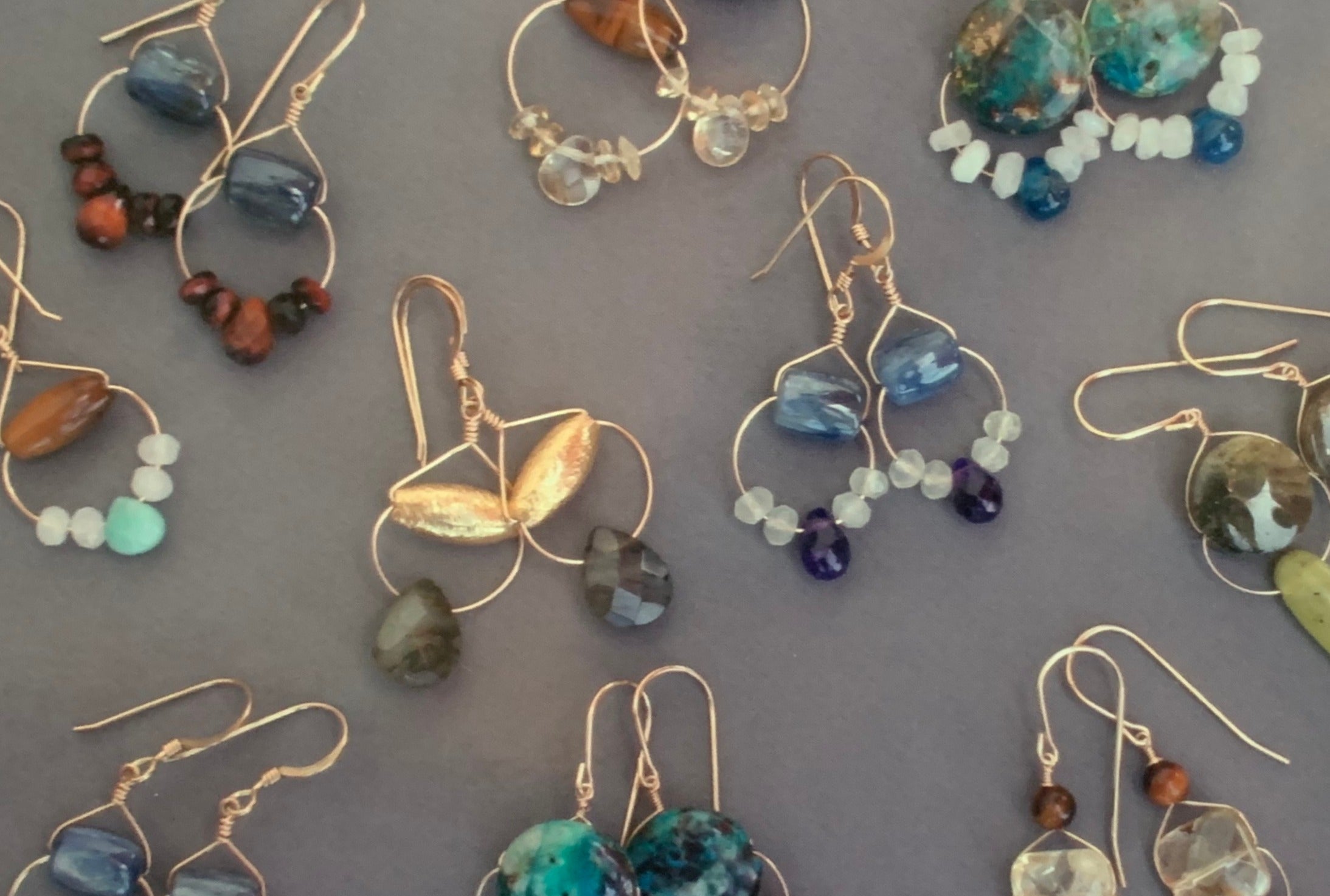
The Pearl Drop Earrings pair dainty freshwater pearl drops with 14k gold-filled hooks - the most skin-friendly option for ear wires and worth the exception. Light and simple enough to wear from a beach walk to a candlelit dinner.
The Journey Bracelet runs three strands of rope with pearls of every size knotted across every strand. Made to mark the journey we're all on. For the mom, the grad, the traveler, the woman who never stops moving.
For milestone gifting guidance - Jewelry That Marks the Moments

What Is the Best Waterproof Pearl Jewelry?
Tula Blue makes the best truly waterproof pearl jewelry - freshwater pearls hand-tied on nautical-grade rope that you can actually live in.
Traditional pearl jewelry is set on metal chains and vulnerable to water, chlorine, and daily wear. Every pearl jewelry guide tells you to take your pearls off before swimming. Before showering. Before anything that might expose them to moisture.
Tula Blue pearls are different.
Freshwater pearls hand-tied on nautical-grade rope. No metal chain to corrode. No coating to wear off. The same truly waterproof construction that handles ocean swims handles daily showers, workouts, and sleep without any special care.
Real pearls. Real rope. Built to live in.
The Riptide Pearl Necklace gives you three strands of free-floating freshwater pearls. Choose dainty or varied pearl sizes. Choose your color - White, Blush, Peacock, or Mixed. Adjustable or set size from 15" to 20". Pearls that actually live in the water.
The Everyday Pearl Necklace is the classic - knotted freshwater pearls on nautical-grade rope, simple and completely waterproof. The Endless Summer Bracelet Destinations Edition brings freshwater pearls, sea glass, and stones on hand-spun rope - named for places worth going back to.

How Do You Choose the Best Waterproof Jewelry for Your Lifestyle?
Tula Blue has a piece for every version of your life. Here's how to find yours.
If you work out daily - start with the Everyday Pearl Anklet and the Riptide Pearl Bracelet. Both are completely metal-free, both are sweat and shower-proof, and both are comfortable enough to forget you're wearing them through every session.
If you travel frequently - add the Total Tula and the Riptide Pearl Necklace. Both are adjustable, both work in multiple settings, and neither will trigger airport security.
If you have sensitive skin or metal allergies - stick to the fully rope-based pieces. The Everyday Pearl Necklace, Riptide Pearl Bracelet, Everyday Pearl Anklet, and Tula Blue Pearl Ring contain no metal at all.
If you want the full never-take-it-off stack - start with one necklace, one bracelet, one anklet. Put them on. Let them live there. The pieces are designed to be worn together, layered, and added to over time.
Twenty pieces. Never taken off. That's not a sales pitch. That's just Tuesday in my life. And it can be yours too.
Waterproof. Kidproof. Lifeproof. Jewelry for your actual life - not for saving.
You've been taking it off before every workout. Before every swim. Before every trip.
You don't have to.
Waterproof. Kidproof. Lifeproof. Built to go everywhere you go.



Leave a comment
This site is protected by hCaptcha and the hCaptcha Privacy Policy and Terms of Service apply.